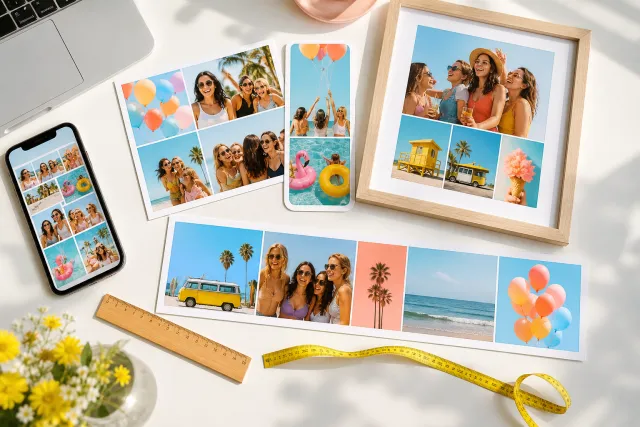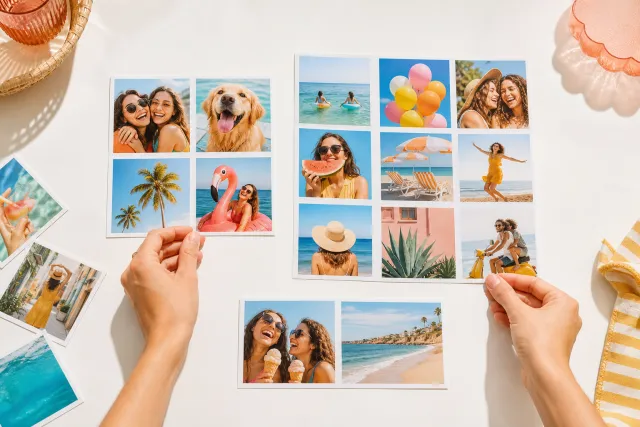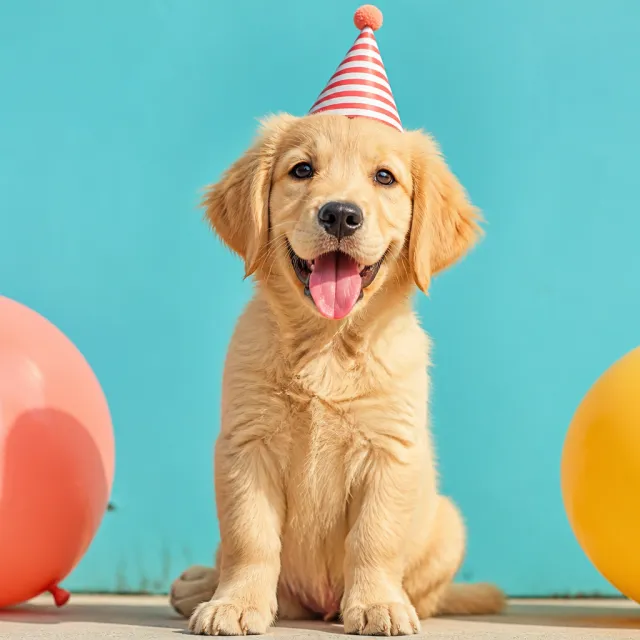
Pet photo collage templates
You have six hundred photos of one animal, taken from roughly the same height, in roughly the same rooms. Getting a collage out of that is a problem of variety, and it has a solution.
Square post 1080x1080
Portrait post 1080x1350
Story 1080x1920
A family collage has different people to work with; a holiday collage has different places. A pet collage has one subject that does not change expression much and cannot be asked to move. So variety has to come from somewhere else: from distance, from what the animal is doing, and from the parts of it that are not its face. The layouts below are built to reward that mix.

Made with StudioCollage
Every collage below was made in the editor itself, at full resolution. Open one to start from it.
 Open in the editor
 Open in the editor
 Open in the editor
 Open in the editor
 Open in the editor
 Open in the editor
 Open in the editor
 Open in the editor
 Open in the editor
 Open in the editor
 Open in the editor
 Open in the editor
 Open in the editor
 Open in the editor
 Open in the editor
 Open in the editor
 Open in the editor
 Open in the editor
 Open in the editor
 Open in the editor
 Open in the editor
 Open in the editor
 Open in the editor
 Open in the editor
 Open in the editor
 Open in the editor
 Open in the editor
 Open in the editor
 Open in the editor
 Open in the editor
1. Six hundred photos, five kinds of photo
Sort your camera roll into these and the collage picks itself. Most people have hundreds of the first kind and almost none of the rest, which is exactly why their collages look repetitive.
| Kind | You have | Use |
|---|---|---|
| Looking at the camera | Hundreds | One. Only one |
| Asleep | Dozens | One, and it is the one people like most |
| Mid-action, running or jumping | A few, mostly blurry | Take the blurry one. Motion beats sharpness here |
| A close detail: paws, nose, an ear | Almost none | Go and take some. They carry a collage |
| The animal with a person | Some | One. It changes what the collage is about |
Five photos chosen one from each row beat twelve chosen for cuteness, and it is not close.
2. Why close-ups do the heavy lifting
An animal photographed at normal distance is mostly floor, sofa and background, and that background is the same in every photo you own. Six such photos in a grid produce six rectangles of the same carpet.
A close photo removes the room. Fur fills the frame, a nose fills the frame, and suddenly the cells are different from one another because texture and colour differ even when the subject does not. One close photo in a six cell grid changes the whole collage, and two changes it completely.
This is also why dark animals photograph badly in collages and pale ones well: a black dog against a dark floor has no edge, so the cell reads as a shape rather than as an animal. For a dark pet, shoot against something light and get close.
3. What to make
Four pet collages worth making, with what each one needs.
The first year. Four to six photos in order, ideally in the same spot. A puppy on the same chair at three months and at twelve says more than any pair of portraits.
Two pets, or a pet and a person. Two cells, equal size. The comparison is the whole idea and any third photo weakens it.
The everything grid. Nine or twelve, no borders, photos touching. It should look like a pile rather than an arrangement, and it works precisely because it is not careful.
A memorial. Fewer photos, more space, a quiet background. Three is usually right. The restraint is the point, and a busy grid reads as cheerful in a way that is wrong for the occasion.
4. Two practical things
Crop before you place, not after. Pet photos are almost always taken from too far away, because you were standing. A crop that fills the cell with the animal is nearly always an improvement, and doing it inside the cell after placing means fighting the cell shape.
Let the background come from the fur. A ginger cat on a warm cream background, a black dog on a soft grey. It is the fastest way to make a collage of one animal look composed rather than assembled, because the whole thing then shares a palette by construction.
Both of these matter more for pets than for people, because with one subject there is nothing else to carry the composition.
5. Make one
Pick a template above and it opens ready. Drop your photos in, then look at whether more than one is the animal looking at the camera. If so, replace all but one, and the collage will improve more from that single edit than from anything else you could do to it.
Twenty more ideas, including what to do for a memorial, are in the pet collage guide.
Questions about Pets collages
How do I make a pet collage that is not repetitive?
Take one photo from each of five kinds rather than five of the same kind: one looking at the camera, one asleep, one mid-action even if it is blurry, one close detail like paws or a nose, and one with a person. Most people have hundreds of the first kind and almost none of the rest, which is why their collages look alike cell to cell.
Why do my pet photos look boring in a grid?
Because they were taken from standing height, so each one is mostly the same floor and the same sofa. Close photos remove the room: fur or a nose filling the frame makes cells differ from one another even though the subject does not. One close photo in a six cell grid changes the whole thing.
How many photos for a pet collage?
Five or six for a screen, chosen for variety rather than cuteness. Nine or twelve works as a deliberate pile with no borders and photos touching, which is a different object and succeeds because it is not careful. For a memorial, three, with space around them.
My dog is black and the photos look flat, what can I do?
A dark animal against a dark floor has no edge, so the cell reads as a shape rather than as an animal. Shoot against something light, get closer, and pick a light background colour for the collage. Contrast at the edge of the subject is what makes it legible at cell size.
What background colour should I use?
One taken from the fur: warm cream for a ginger cat, soft grey for a black dog. With a single subject there is nothing else to unify the collage, so a palette drawn from the animal is what makes it look composed rather than assembled.